Why a Bone Graft Is Needed
Bone can gradually shrink after a tooth is lost. Gum disease, infection or an injury can also reduce the amount of bone available.
A bone graft provides a framework that supports new bone formation and helps preserve or rebuild the shape of the jaw. The type of graft material and the amount needed depend on the treatment being planned.
Before the Procedure
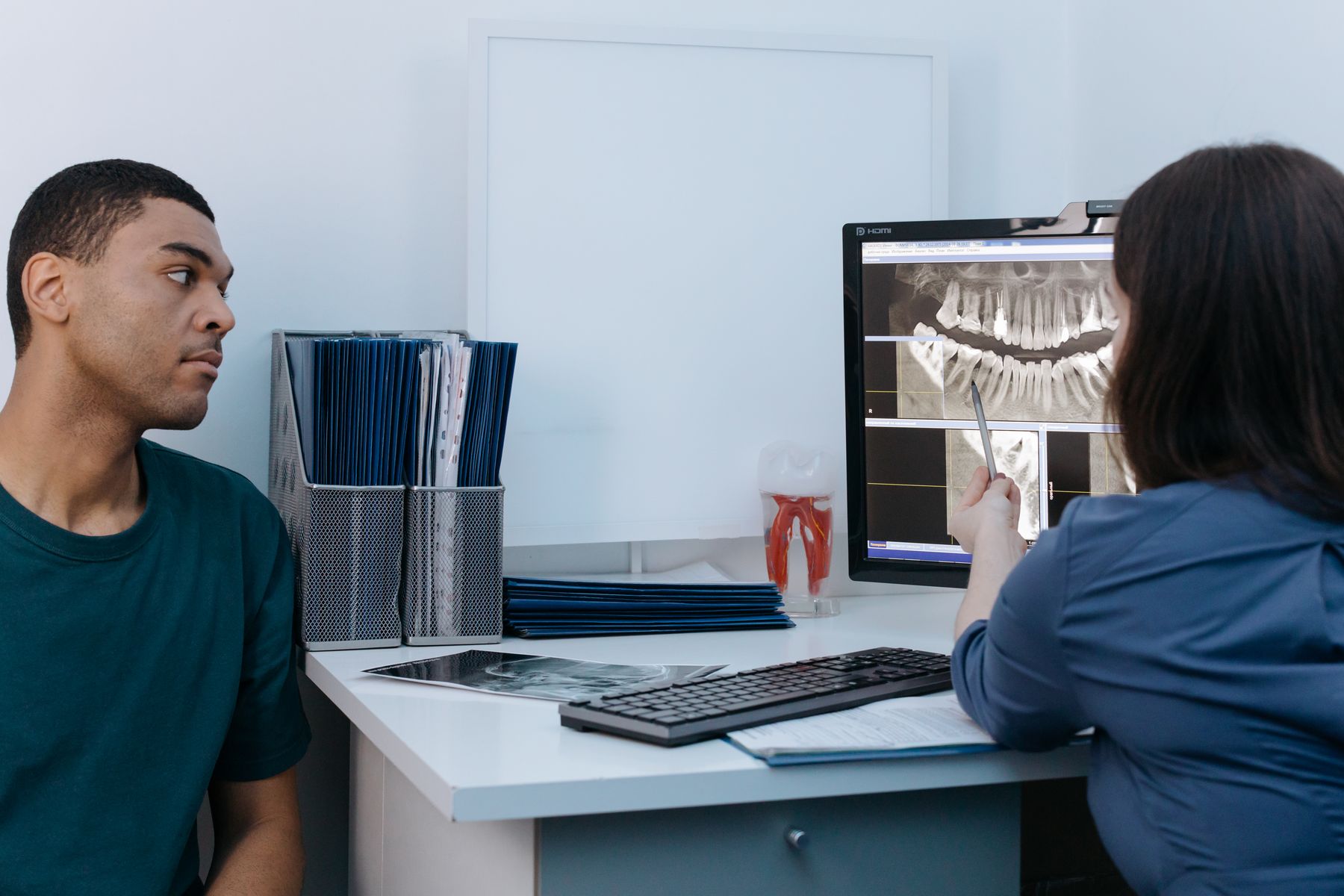
Your dentist will examine the area and review X-rays or a three-dimensional scan when needed. We will also review your health history, medications and any factors that may affect healing.
Local anesthetic is used to numb the surgical area. You may feel a brief pinch and pressure during the injection. If sedation is planned, follow the separate instructions provided by the office.
Placing the Graft
Depending on the location, the dentist may make a small opening in the gum to reach the bone. The area is cleaned and prepared before the graft material is placed.
The graft often has the appearance of small particles. It is gently packed into the area to rebuild the desired shape. A thin protective membrane may be placed over it.
The gum is repositioned and stitches may be used to protect the site while it heals.
What You May Feel
You may hear the dental handpiece or suction and feel vibration, water, firm pressure and movement. You should not feel sharp pain. Raise your left hand if you feel discomfort or would like a break.
The length of the appointment varies. A small graft placed with an extraction may take less time than a larger graft performed as a separate procedure.
After the Procedure
Your mouth may remain numb for several hours. Light bleeding, swelling and soreness can be normal as the anesthetic wears off.
The gum usually feels better well before the graft has finished integrating. The area may need several months of healing before the next stage of treatment can begin.
For guidance on protecting the graft at home, see our bone graft after-care instructions.
When to Contact Us
Contact our office if bleeding does not slow with pressure, pain or swelling is severe or becoming worse, the site opens, a large amount of graft material comes out, or you develop fever, drainage or a persistent bad taste.
Beaird Family Dental
Poplar Bluff: (573) 778-0200 · Dexter: (573) 624-8005
This guide was written and reviewed by Dr. Justin Shaw, DMD.
Last reviewed, .