
Why a Tooth May Need to Be Removed
A tooth may need to be removed because of severe decay, a deep fracture, advanced gum disease, repeated infection or lack of space. Wisdom teeth may also be removed when they are painful, infected or unable to grow into a healthy position.
Your dentist will discuss whether the tooth can be repaired and why extraction is being recommended.
Before the Procedure
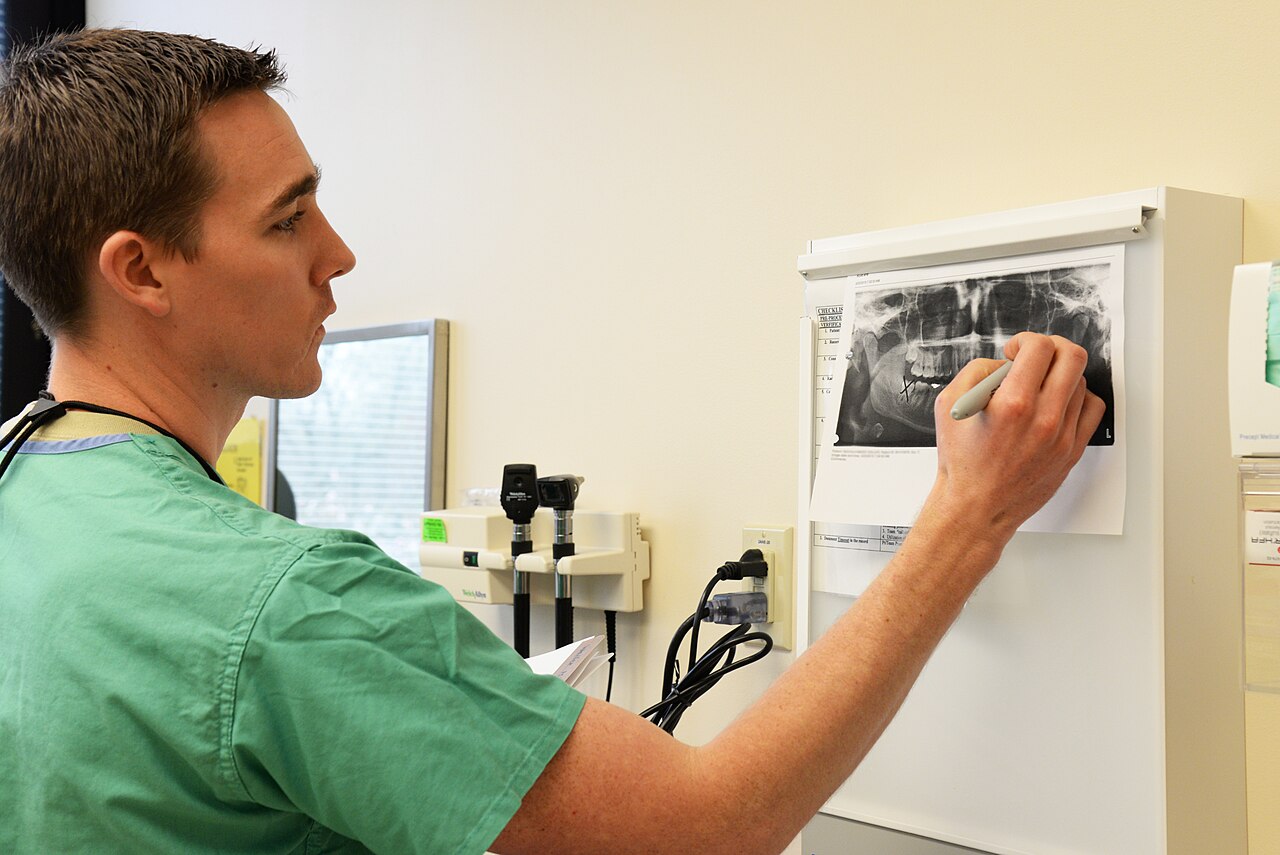
Your dentist will review your health history, medications and relevant X-rays. The X-rays show the tooth’s roots and the nearby bone and help determine the safest way to remove it.
Local anesthetic is used to numb the tooth and surrounding gum. You may feel a brief pinch and pressure during the injection. As the area becomes numb, your lip, tongue or cheek may feel tingly, heavy or swollen.
If sedation is planned, follow the separate eating, drinking and transportation instructions provided by the office.
During a Simple Extraction
Once the area is numb, the dentist uses small instruments to loosen the tooth from the tissues holding it in place. You will feel firm pressure, rocking and pushing as the tooth is moved.
You may hear cracking or popping sounds. These sounds are common and do not mean something is going wrong.
You should not feel sharp pain. Raise your left hand if you feel discomfort or would like a break so the dentist can pause and provide additional numbing if needed.
During a Surgical Extraction
A tooth that is broken at the gumline, impacted or difficult to reach may require a small incision in the gum. The dentist may remove a small amount of surrounding bone or divide the tooth into smaller sections so it can be removed more gently.
During these steps, you may hear the dental handpiece and feel vibration, water, pressure and movement. Suction will be used to keep the area clear.
After the tooth is removed, the area is cleaned. Stitches may be placed depending on the type of extraction.
After the Tooth Is Removed
Gauze is placed over the extraction site, and you will be asked to bite with steady pressure. This helps control bleeding and allows a blood clot to form in the socket.
Your mouth may remain numb for several hours. Some oozing, soreness and swelling can be normal as the anesthetic wears off.
You will receive instructions explaining how to protect the blood clot, what to eat, how to clean the area and when to contact us. For a general recovery timeline, see our extraction recovery guide. Please also read our separate Preventing Dry Socket instructions.
When to Contact Us
Contact our office if bleeding does not slow with firm pressure, pain or swelling is severe or becoming worse, you develop fever or drainage, or you have any concern about how the area is healing.
Beaird Family Dental
Poplar Bluff: (573) 778-0200 · Dexter: (573) 624-8005
This guide was written and reviewed by Dr. Justin Shaw, DMD.
Last reviewed, .